WhatsApp/WeChat:8613171780385
¡Bienvenido a conocer nuestros productos, podemos ofrecer productos de alta calidad!

language
English
العربية
বাংলাদেশ
Български
Hrvatski
Česky
Dansk
Nederland
Esperanto
Slovenski
Filipino
Suomi
Français
Maori
Shqiptare
Georgian
Euskara
Deutsch
Ελλάδα
ישראל
इंडिया
Magyarország
Ísland
Indonesia
Irlanda
Italia
日本語
Sovensko
Հայաստան
한국
Kyrgyz
ປະເທດລາວ
Zulu
Latvian
Lithuanian
Luxembourgish
Latinus
Macedonian
Малайская
Maltese
Монгол улс
Cymraeg
ဗမာ
தமிழ்
नेपाल
Norge
ایران
Polska
Portugal
România
Российская
Србија
Slovak
Србија
Slovak
Bosanski
Slovenian
Беларус
España
Sverige
Точик
ประเทศไทย
Türk
Azərbaycan
Uzbek
Afrikaans
Việt Nam
Choosing the Right Length and Diameter of UNC/UNF Full Studs for Your Application
11 Feb,2024
Introduction
When it comes to choosing the ideal length and diameter of UNC/UNF full studs for your application, it is crucial to understand the key factors that influence their performance. In this comprehensive guide, we will explore the various considerations you should keep in mind to ensure you make an informed decision. Our experts have compiled valuable insights to help you select the perfe
Introduction
When it comes to choosing the ideal length and diameter of UNC/UNF full studs for your application, it is crucial to understand the key factors that influence their performance. In this comprehensive guide, we will explore the various considerations you should keep in mind to ensure you make an informed decision. Our experts have compiled valuable insights to help you select the perfect full studs for your specific industrial equipment and component requirements.
Table of Contents
1. Understanding UNC/UNF Full Studs
2. Importance of Choosing the Right Length
3. Factors to Consider when Determining the Diameter
4. Common Applications of UNC/UNF Full Studs
5. Key Differences between UNC and UNF Threads
6. How to Measure Stud Length and Diameter?
7. Best Practices for Selecting UNC/UNF Full Studs
8. FAQs (Frequently Asked Questions)
1. Understanding UNC/UNF Full Studs
UNC/UNF full studs are vital components in various industrial applications, providing secure and reliable connections between different parts. These studs are threaded on both ends, allowing for easy fastening and disassembly. Understanding their characteristics and specifications is essential to ensure optimal performance.
2. Importance of Choosing the Right Length
Selecting the appropriate length of UNC/UNF full studs is crucial to achieve the desired strength and stability in your applications. Choosing a stud that is too short may compromise the integrity of the connection, while an excessively long stud can lead to unnecessary protrusion and potential interference.
3. Factors to Consider when Determining the Diameter
Determining the correct diameter of UNC/UNF full studs depends on several factors, including the load requirements, thread engagement, and the materials being joined. A thorough understanding of these factors will help you select the optimal diameter, ensuring a secure and durable connection.
4. Common Applications of UNC/UNF Full Studs
UNC/UNF full studs find extensive use across various industries, including automotive, aerospace, construction, and more. These studs are commonly employed in applications where strong and reliable fastening is essential, such as engine assemblies, structural frameworks, and heavy machinery.
5. Key Differences between UNC and UNF Threads
It is important to differentiate between UNC (Unified National Coarse) and UNF (Unified National Fine) threads when choosing full studs. UNC threads have a larger pitch, making them more suitable for applications requiring quick assembly and disassembly. On the other hand, UNF threads have a finer pitch, providing increased resistance to vibrations.
6. How to Measure Stud Length and Diameter?
Proper measurement of stud length and diameter is crucial to ensure the right fit and compatibility. Using a reliable measuring tool like a caliper, carefully measure the length from one end to the other, excluding the threaded portions. To determine the diameter, measure the outer diameter of the stud's body.
7. Best Practices for Selecting UNC/UNF Full Studs
To choose the right UNC/UNF full studs for your application, consider the load requirements, material compatibility, environment, and specific regulations or standards. Additionally, consult with industry experts or suppliers who can provide valuable guidance based on their extensive knowledge and experience.
8. FAQs (Frequently Asked Questions)
FAQ 1: What is the difference between UNC and UNF threads?
FAQ 2: How do I determine the required length of a full stud?
FAQ 3: Can UNC/UNF full studs be used in high-temperature applications?
FAQ 4: Are there any industry standards or regulations to follow when selecting full studs?
FAQ 5: Can I use UNC/UNF full studs in applications with high vibration levels?
Conclusion
Choosing the right length and diameter of UNC/UNF full studs is crucial to ensure the optimal performance and integrity of your industrial equipment and components. By considering factors such as load requirements, thread engagement, and materials, you can make an informed decision that guarantees a secure and reliable connection. Remember to consult with professionals in the field to leverage their expertise and ensure the best possible outcome for your application.
When it comes to choosing the ideal length and diameter of UNC/UNF full studs for your application, it is crucial to understand the key factors that influence their performance. In this comprehensive guide, we will explore the various considerations you should keep in mind to ensure you make an informed decision. Our experts have compiled valuable insights to help you select the perfect full studs for your specific industrial equipment and component requirements.
Table of Contents
1. Understanding UNC/UNF Full Studs
2. Importance of Choosing the Right Length
3. Factors to Consider when Determining the Diameter
4. Common Applications of UNC/UNF Full Studs
5. Key Differences between UNC and UNF Threads
6. How to Measure Stud Length and Diameter?
7. Best Practices for Selecting UNC/UNF Full Studs
8. FAQs (Frequently Asked Questions)
1. Understanding UNC/UNF Full Studs
UNC/UNF full studs are vital components in various industrial applications, providing secure and reliable connections between different parts. These studs are threaded on both ends, allowing for easy fastening and disassembly. Understanding their characteristics and specifications is essential to ensure optimal performance.
2. Importance of Choosing the Right Length
Selecting the appropriate length of UNC/UNF full studs is crucial to achieve the desired strength and stability in your applications. Choosing a stud that is too short may compromise the integrity of the connection, while an excessively long stud can lead to unnecessary protrusion and potential interference.
3. Factors to Consider when Determining the Diameter
Determining the correct diameter of UNC/UNF full studs depends on several factors, including the load requirements, thread engagement, and the materials being joined. A thorough understanding of these factors will help you select the optimal diameter, ensuring a secure and durable connection.
4. Common Applications of UNC/UNF Full Studs
UNC/UNF full studs find extensive use across various industries, including automotive, aerospace, construction, and more. These studs are commonly employed in applications where strong and reliable fastening is essential, such as engine assemblies, structural frameworks, and heavy machinery.
5. Key Differences between UNC and UNF Threads
It is important to differentiate between UNC (Unified National Coarse) and UNF (Unified National Fine) threads when choosing full studs. UNC threads have a larger pitch, making them more suitable for applications requiring quick assembly and disassembly. On the other hand, UNF threads have a finer pitch, providing increased resistance to vibrations.
6. How to Measure Stud Length and Diameter?
Proper measurement of stud length and diameter is crucial to ensure the right fit and compatibility. Using a reliable measuring tool like a caliper, carefully measure the length from one end to the other, excluding the threaded portions. To determine the diameter, measure the outer diameter of the stud's body.
7. Best Practices for Selecting UNC/UNF Full Studs
To choose the right UNC/UNF full studs for your application, consider the load requirements, material compatibility, environment, and specific regulations or standards. Additionally, consult with industry experts or suppliers who can provide valuable guidance based on their extensive knowledge and experience.
8. FAQs (Frequently Asked Questions)
FAQ 1: What is the difference between UNC and UNF threads?
FAQ 2: How do I determine the required length of a full stud?
FAQ 3: Can UNC/UNF full studs be used in high-temperature applications?
FAQ 4: Are there any industry standards or regulations to follow when selecting full studs?
FAQ 5: Can I use UNC/UNF full studs in applications with high vibration levels?
Conclusion
Choosing the right length and diameter of UNC/UNF full studs is crucial to ensure the optimal performance and integrity of your industrial equipment and components. By considering factors such as load requirements, thread engagement, and materials, you can make an informed decision that guarantees a secure and reliable connection. Remember to consult with professionals in the field to leverage their expertise and ensure the best possible outcome for your application.
Etiquetas:
INFORMACIÓN RELEVANTE
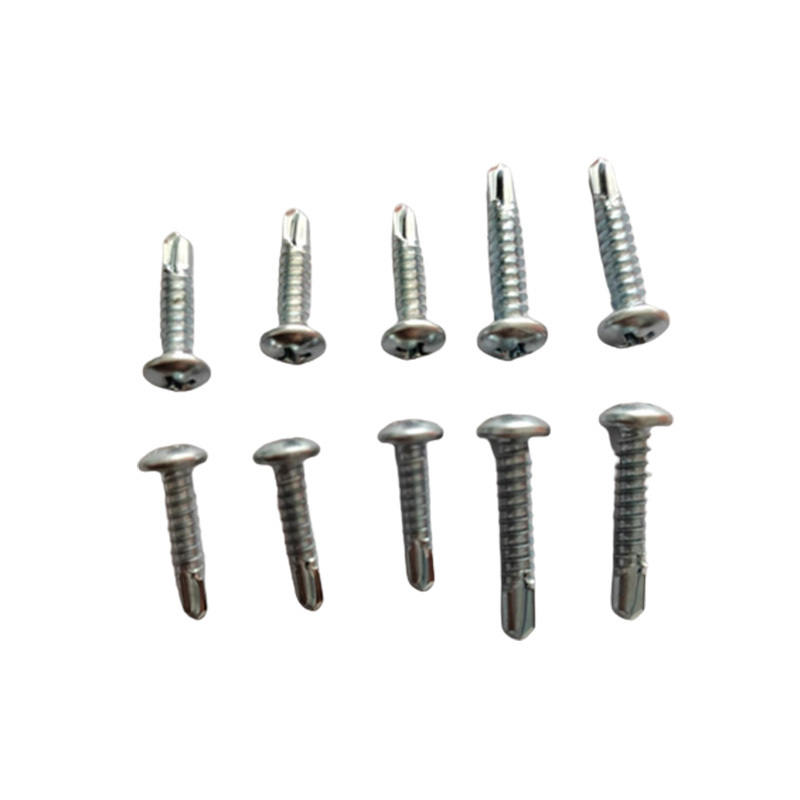
Desbloqueando la Fuerza de los Tornillos Autoperforantes con Arandelas de EPDM: Una Guía Completa
Desbloqueando la Fuerza de los Tornillos Autoperforantes con Arandelas de EPDM Tabla de Contenidos 1. Introducción a los Tornillos Autoperforantes y Arandelas de EPDM 2. Entendiendo los Tornillos Autoperforantes 3. Ventajas de las Arandelas de EPDM 4. Combinando Tornillos Autoperforantes con Arandelas de EPDM 5. Técnicas de Instalación para un Rendimiento Óptimo 6. Aplicaciones de los Tornillos Autoperforantes con Arandelas de EPDM 7. Mantenimiento
17 Sep,2024
Entendiendo los T-Bolts: Sujetadores esenciales para aplicaciones industriales
Los pernos en T, a veces llamados pernos de ranura en T, son sujetadores especializados diseñados principalmente para su uso con sistemas de enmarcado de ranura en T. Estos pernos cuentan con una cabeza en forma de T distintiva que les permite deslizarse en las ranuras de perfiles compatibles, asegurando los componentes en su lugar sin necesidad de hardware extenso. Su diseño los hace particularmente útiles en la construcción de marcos, maquinaria y otros.
12 Sep,2024
Por qué los pernos de carro de cabeza cuadrada son esenciales para el equipo industrial
Por qué los pernos de carro con cabeza cuadrada son esenciales para el equipo industrial Tabla de Contenidos Introducción Comprendiendo los pernos de carro con cabeza cuadrada Características de diseño y ventajas Aplicaciones en equipos industriales Beneficios de usar pernos de carro con cabeza cuadrada Consejos de instalación y uso Elegir el perno de carro con cabeza cuadrada adecuado Conceptos erróneos comunes
07 Sep,2024
Las tuercas de dientes trapezoidales de aleación de zinc, tanto internas como externas, son componentes de sujeción especializados que se utilizan ampliamente en diversas aplicaciones industriales. Estas tuercas están diseñadas para proporcionar conexiones seguras, particularmente en entornos donde la durabilidad y la resistencia son primordiales. El diseño trapezoidal de estas tuercas permite una distribución eficiente de la carga, lo que las hace ideales para aplicaciones de alta resistencia.
02 Sep,2024
English
Русский
Español
Português