WhatsApp/WeChat:8613171780385
¡Bienvenido a conocer nuestros productos, podemos ofrecer productos de alta calidad!

 English
 Русский
 Español
 Português
 Esperanto
 Shqiptare
 Euskara
 Zulu
Zulu
 Latinus
 Cymraeg
 தமிழ்
தமிழ்
 Slovak
 Slovak
 Afrikaans
La Guía Definitiva de los Tornillos Autoperforantes: Todo lo que Necesitas Saber
18 Aug,2024
The Ultimate Guide to Self-Tapping Screws: Everything You Need to Know
Table of Contents
- 1. Introduction to Self-Tapping Screws
- 2. Types of Self-Tapping Screws
- 3. How Self-Tapping Screws Work
- 4. Advantages of Using Self-Tapping Screws
- 5. Applications of Self-Tapping Screws
- 6. Installation Tips for Self-Tapping Screws
- 7. Common Mistakes in Using Self-Tapping Screws
- 8. Maintenance and Inspection of Self-Tapping Screws
- 9. Conclusion
- 10. Frequently Asked Questions
1. Introduction to Self-Tapping Screws
Self-tapping screws are essential components in various industrial and construction applications. Unlike traditional screws, which require a pre-drilled hole, self-tapping screws can create their own threads as they are driven into materials. This unique feature saves time and enhances efficiency, making them a preferred choice in many projects.
In this guide, we will explore the different types of self-tapping screws, their advantages, applications, installation techniques, and maintenance practices. Whether you are an engineer, a contractor, or a DIY hobbyist, understanding self-tapping screws will empower you to make informed decisions in your projects.
2. Types of Self-Tapping Screws
Self-tapping screws can be categorized into several types based on their design and intended use. Below, we delve into the most common varieties:
2.1 Thread-Forming Screws
Thread-forming screws create threads by displacing material rather than cutting it. They are ideal for use in softer materials like plastics and thin metals, providing a secure hold without the risk of stripping.
2.2 Thread-Cutting Screws
Thread-cutting screws are designed with sharp cutting edges, allowing them to cut threads into harder materials such as steel. These screws are ideal for heavy-duty applications where strength and durability are paramount.
2.3 Self-Drilling Screws
Self-drilling screws feature a drill bit-like tip that allows them to penetrate and create a hole in the material while forming threads. This type of screw is particularly useful for metal-to-metal applications, eliminating the need for pre-drilling.
2.4 Using Coatings and Finishes
Self-tapping screws are often coated with materials like zinc or black oxide to enhance corrosion resistance and provide additional durability. Selecting the right coating is essential for ensuring the longevity of the screws in specific environments.
3. How Self-Tapping Screws Work
Understanding how self-tapping screws function is crucial for achieving optimal results in your projects. These screws operate through a combination of mechanical advantages:
1. **Thread Design:** The unique thread profile of self-tapping screws allows them to cut or form threads in the base material as they are driven in.
2. **Screw Tip Geometry:** The tip of the screw, whether it's self-drilling or self-forming, is designed to facilitate easy penetration into various materials.
3. **Material Displacement and Engagement:** As the screw penetrates, it displaces material, creating a tight engagement that enhances grip and stability.
This mechanical interaction allows for quick assembly while minimizing the risk of damage to the material being fastened.
4. Advantages of Using Self-Tapping Screws
The use of self-tapping screws offers numerous benefits that make them an attractive choice for various applications:
4.1 Time Efficiency
One of the primary advantages of self-tapping screws is the time saved during installation. Their ability to create their own threads eliminates the need for pre-drilling, allowing for faster assembly.
4.2 Stronghold and Stability
Self-tapping screws provide a strong hold, especially in materials where conventional screws may struggle. Their design allows for superior grip, reducing the likelihood of loosening over time.
4.3 Versatility
These screws are available in various sizes and types, making them suitable for a wide range of applications, from lightweight materials to heavy-duty machinery.
4.4 Cost-Effectiveness
By reducing labor time and the need for additional tools, self-tapping screws can be a more cost-effective fastening solution in the long run.
5. Applications of Self-Tapping Screws
Self-tapping screws find use in numerous industries and applications, including:
5.1 Construction
In construction, self-tapping screws are used for framing, fastening drywall, and securing structural components. Their reliability ensures that buildings remain stable and secure.
5.2 Automotive Manufacturing
The automotive industry frequently employs self-tapping screws for assembling various components, from body panels to interior fixtures, due to their strength and ease of use.
5.3 Electronics
In electronics, self-tapping screws are utilized to secure casings and internal components, providing the necessary support for delicate machinery.
5.4 HVAC Systems
Self-tapping screws are commonly used in HVAC systems to attach ductwork and secure other essential components, ensuring efficient operation.
6. Installation Tips for Self-Tapping Screws
Proper installation of self-tapping screws is crucial for maximizing their performance. Here are some tips to ensure a successful fastening process:
6.1 Choose the Right Screw
Select the appropriate type and size of self-tapping screw for your material. Consider factors such as thickness, density, and the environment in which the screw will be used.
6.2 Pre-Drilling Recommendations
Although self-tapping screws do not typically require pre-drilling, it may still be beneficial in hard materials. A pilot hole can help guide the screw and reduce the risk of material cracking.
6.3 Use Proper Torque Settings
When using power tools, adjust the torque settings to avoid over-tightening, which can strip the threads or damage the material.
6.4 Maintain a Steady Hand
Ensure a steady hand during installation to keep the screw perpendicular to the surface, promoting even distribution of forces and reducing the risk of failure.
7. Common Mistakes in Using Self-Tapping Screws
To ensure the optimal performance of self-tapping screws, avoid the following common mistakes:
7.1 Using the Wrong Type of Screw
Using a screw that is not suited for the material can lead to inadequate fastening or damage to the material.
7.2 Insufficient Torque
Not applying enough torque will result in a loose fit, compromising the stability of the assembly.
7.3 Over-tightening
Applying too much torque can strip threads and damage both the screw and the material.
7.4 Ignoring Environmental Factors
Neglecting to consider environmental conditions, such as moisture or temperature, can influence the choice of screw and its longevity.
8. Maintenance and Inspection of Self-Tapping Screws
Regular maintenance and inspection of self-tapping screws are essential for ensuring their long-term performance. Here are some practices to consider:
8.1 Periodic Inspection
Regularly check screws for signs of corrosion, loosening, or damage. Promptly replace any compromised screws to maintain structural integrity.
8.2 Clean Surfaces
Keep surfaces clean and free from debris to ensure a secure fit for the screws. Dirty or contaminated surfaces can interfere with the screw's ability to grip.
8.3 Reapply Protective Coatings
In environments susceptible to corrosion, consider reapplying protective coatings to enhance the longevity of self-tapping screws.
9. Conclusion
Self-tapping screws are vital components used in a wide range of applications, offering significant advantages in terms of efficiency, strength, and versatility. By understanding the different types, installation techniques, and maintenance practices associated with these screws, you can ensure successful outcomes in your projects. Whether you're in construction, automotive manufacturing, or electronics, self-tapping screws can enhance the quality and durability of your assemblies.
10. Frequently Asked Questions
10.1 What is the difference between self-tapping and self-drilling screws?
Self-tapping screws form threads in the material, while self-drilling screws can create holes and threads simultaneously.
10.2 Can self-tapping screws be used in wood?
Yes, self-tapping screws are suitable for wood, but it’s essential to choose the right type to avoid splitting.
10.3 How do I know if I need to pre-drill a hole?
If you are working with dense or hard materials, consider pre-drilling a pilot hole to facilitate easier installation.
10.4 What materials are self-tapping screws compatible with?
Self-tapping screws can be used with various materials, including metal, plastic, wood, and composite materials.
10.5 How can I prevent corrosion on self-tapping screws?
Using screws with appropriate coatings, storing them in dry conditions, and conducting regular inspections can help prevent corrosion.
Etiquetas:
INFORMACIÓN RELEVANTE
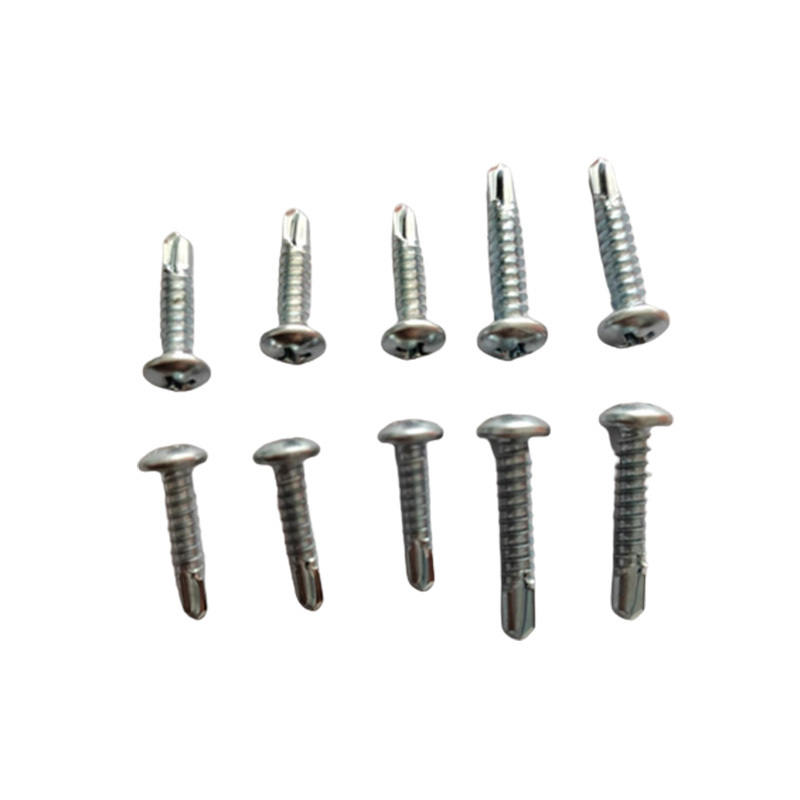
Desbloqueando la Fuerza de los Tornillos Autoperforantes con Arandelas de EPDM: Una Guía Completa
17 Sep,2024
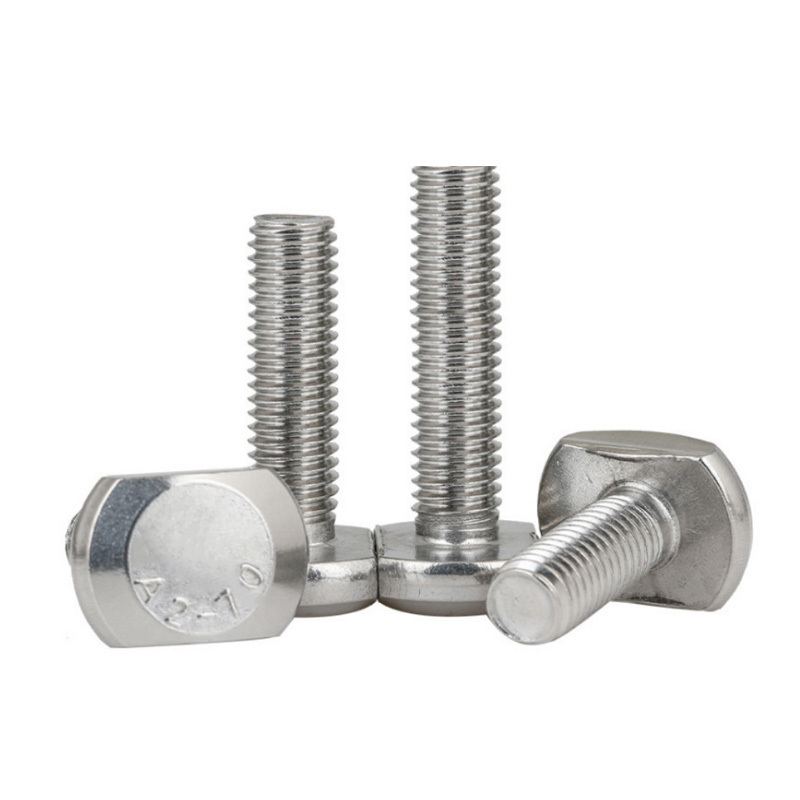
Entendiendo los T-Bolts: Sujetadores esenciales para aplicaciones industriales
12 Sep,2024
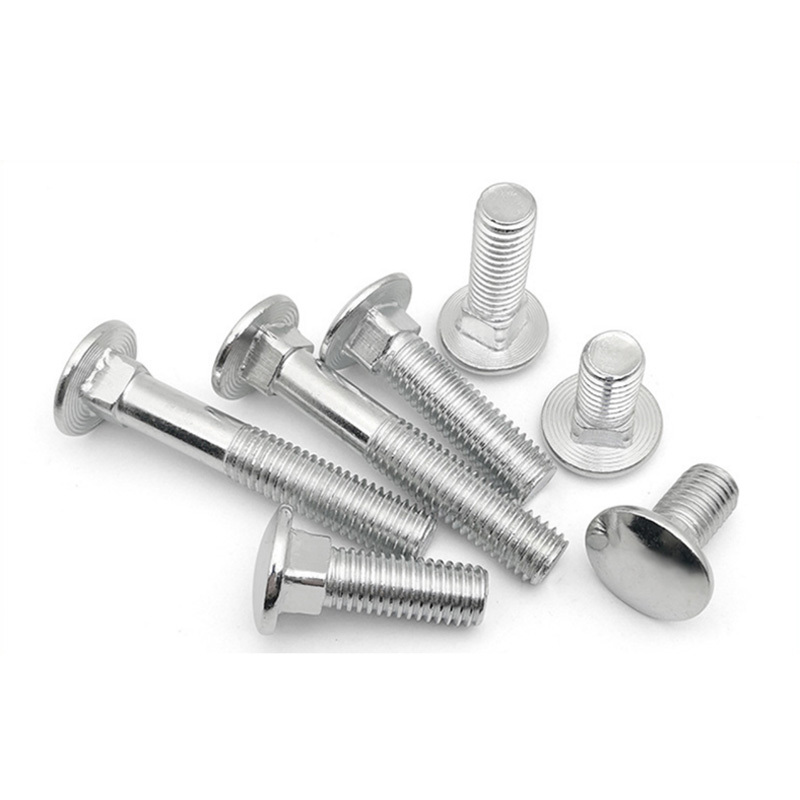
Por qué los pernos de carro de cabeza cuadrada son esenciales para el equipo industrial
07 Sep,2024
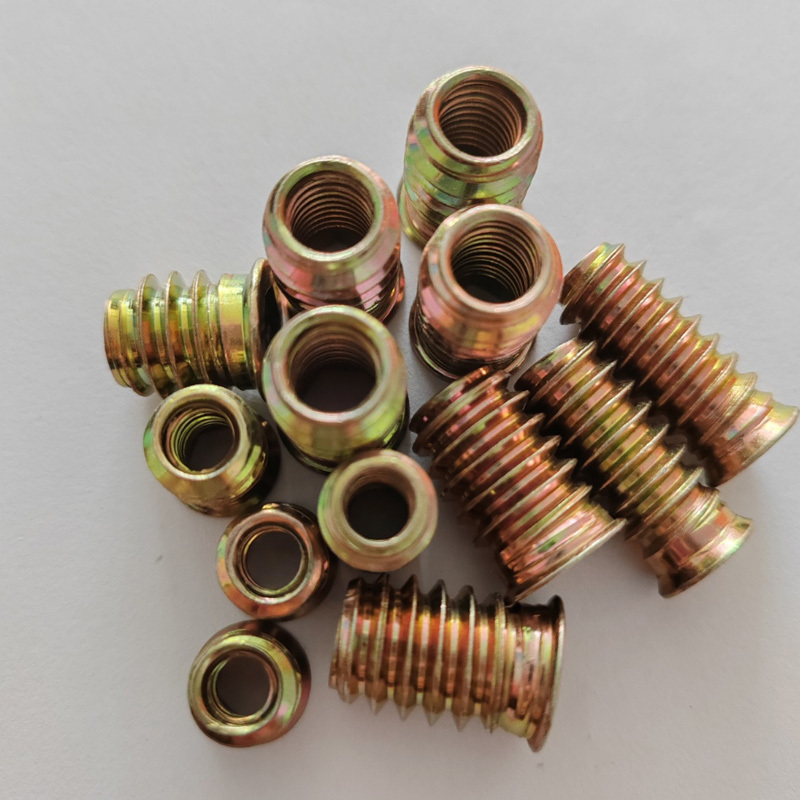
02 Sep,2024

Sujetadores Mingqi
Estamos situados en la zona industrial del sudoeste del distrito de Yongnian, ciudad de Handan, provincia de Hebei, el centro de distribución estándar más grande de las piezas de China. Tiene transporte conveniente y ubicación geográfica superior.
Sobre nosotros
Contacte con nosotros
11-11, construyendo 11, distrito del este, ciudad estándar internacional de la industria de las piezas de China, distrito de Yongnian, ciudad de Handan, provincia de Hebei

Mensaje en línea